Inspiring Older Individuals to Engage in Regular Exercise Through Inclusive Fitness Guidelines
Wiki Article
Staying active is crucial for adults of every age group, but it grows especially significant as people age. For seniors, routine exercise supports maintaining self-reliance, improves mobility, and enhances general health. Comprehensive training frameworks deliver seniors with structured approaches to fitness that address stability, flexibility, muscle endurance, and resilience. By adhering to well-designed exercise routines, seniors can enhance their well-being while lowering the likelihood of injuries, long-term illnesses, and mental health challenges.
Physical fitness for aging individuals is not limited to intense routines or rigorous fitness sessions. It centers instead on safe, gradual, and ongoing physical engagement that matches personal ability levels. Routines such as walking, stretching, chair yoga, and bodyweight exercises aid in retaining range of motion and muscle tone. Heart-strengthening activities like aqua aerobics or indoor biking enhance cardiovascular function, which are important for maintaining daily energy and performance. These forms of activity also enhance brain health, as findings have shown that routine fitness can enhance mental clarity, emotional well-being, and focus.
Get the facts 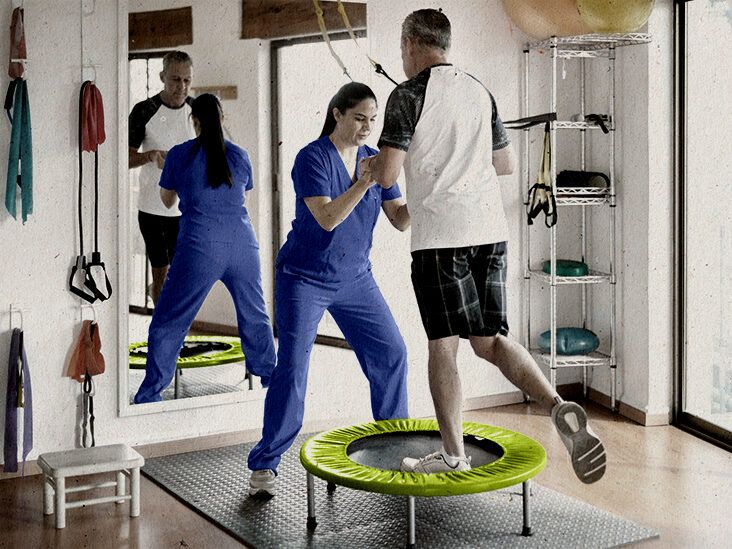
Thorough exercise guidelines emphasize a integrated approach to health, addressing bodily, psychological, and social factors of health. Participants are encouraged to begin slowly and move forward at a comfortable pace, maintaining security while avoiding strain. Adding warm-up and cool-down routines reduces muscle soreness, while proper water consumption and nutrition support physical activity. Additionally, group fitness environments—such as community walking clubs or community walking programs—offer avenues for companionship, encouragement, and well-being, which are equally important to overall health.
Qualified instruction acts as a key part in browse around this web-site supporting older adults design tailored training schedules. Consulting healthcare providers, rehabilitation specialists, or exercise professionals ensures that plans are adapted to specific requirements, endurance, and objectives. These specialists can recommend safe training methods that address issues such as arthritis, osteoporosis, or heart health concerns. Through regular monitoring and revision, exercise plans remain effective and enjoyable, promoting lasting participation and success.
In conclusion, enabling older adults to participate in exercise through structured fitness frameworks builds a culture of active aging. When older adults are equipped with knowledge, inspiration, and guidance, they build assurance in their strength and appreciate greater freedom. Consistent movement enhances not only body health but also cognitive health and psychological balance. By promoting accessible, professionally structured exercise plans, organizations can ensure that all participants has the means to enjoy a balanced, engaged, and meaningful journey.